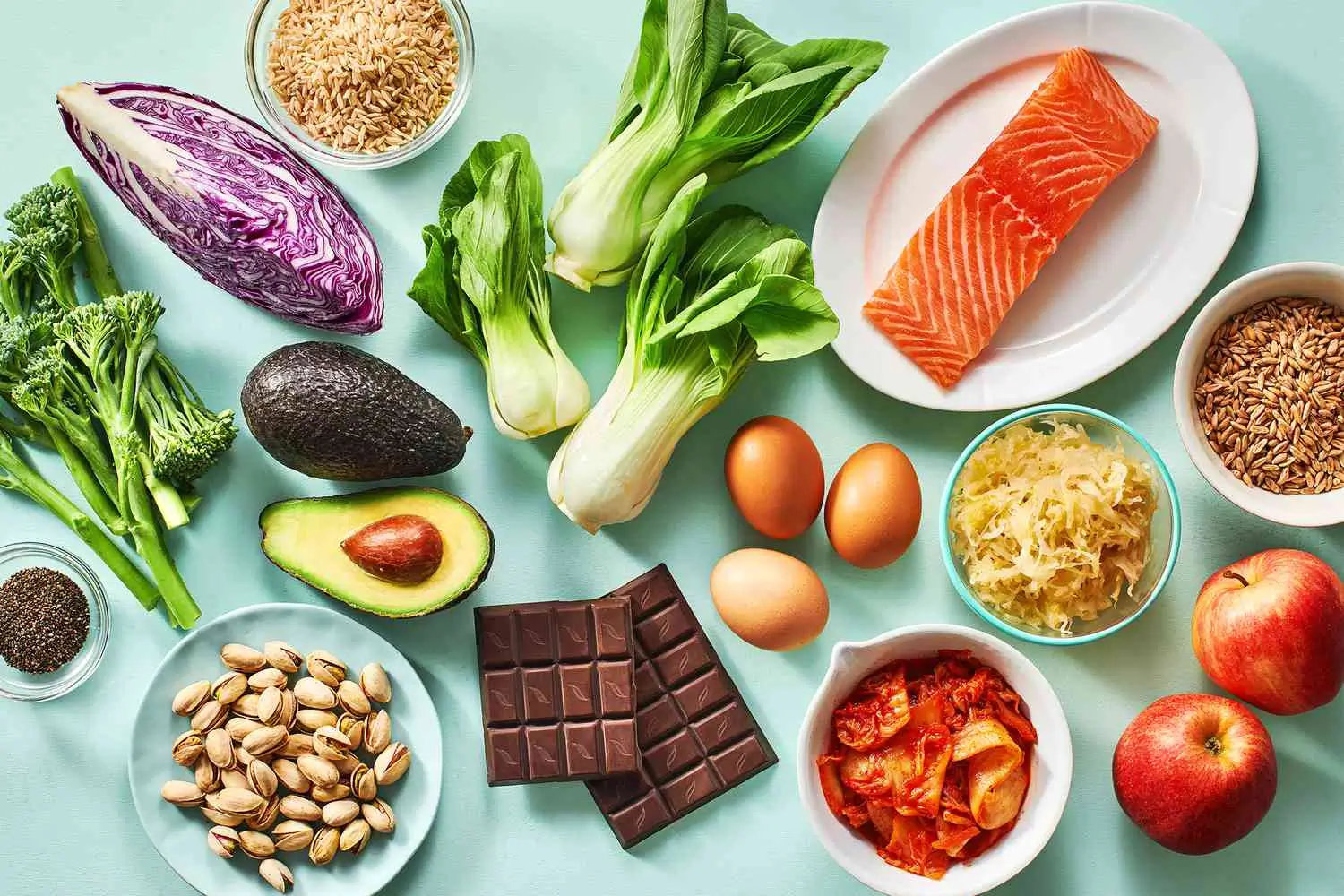
Diet for IBS Patients
Irritable Bowel Syndrome (IBS) is a common digestive disorder that affects the large intestine and causes symptoms such as bloating, abdominal pain, constipation, diarrhea, and gas. Although IBS does not permanently damage the intestines, it can greatly affect daily comfort and quality of life.
Diet plays a major role in controlling IBS symptoms. Some foods can irritate the digestive system and trigger flare-ups, while others help support healthy digestion and bowel movements.
At Dr. Rajdeep More, patients receive personalized care and dietary guidance for IBS and other digestive disorders.
Why Diet is Important in IBS
The digestive system of IBS patients can be more sensitive to certain foods and eating habits. Following the right diet may help:
- Reduce bloating
- Improve bowel movements
- Decrease abdominal pain
- Minimize gas formation
- Improve overall gut health
Identifying trigger foods is one of the most important parts of IBS management.
Best Foods for IBS Patients
Certain foods are generally easier to digest and may help reduce symptoms.
Recommended Foods for IBS
| Food Category | Recommended Foods | Benefits |
|---|---|---|
| Fruits | Bananas, Papaya, Kiwi | Easy digestion and fiber support |
| Vegetables | Spinach, Carrots, Cucumbers | Gentle on the stomach |
| Grains | Oats, Rice, Quinoa | Improve bowel regularity |
| Proteins | Fish, Eggs, Chicken, Tofu | Easily digestible |
| Probiotics | Yogurt, Buttermilk | Support healthy gut bacteria |
| Fluids | Water, Herbal Tea, Coconut Water | Prevent dehydration |
Low FODMAP Diet for IBS
Many IBS patients benefit from a low FODMAP diet. FODMAPs are certain carbohydrates that may trigger bloating, gas, and bowel discomfort.
Low FODMAP Foods
| Food Type | IBS-Friendly Options |
|---|---|
| Fruits | Bananas, Oranges, Grapes |
| Vegetables | Tomatoes, Spinach, Zucchini |
| Dairy Alternatives | Lactose-free milk, Almond milk |
| Proteins | Eggs, Chicken, Fish |
| Carbohydrates | Rice, Potatoes, Oats |
These foods are often better tolerated by IBS patients.
Foods IBS Patients Should Avoid
Some foods commonly trigger IBS symptoms and should be limited.
Foods That May Trigger IBS Symptoms
| Food Type | Why It May Cause Problems |
|---|---|
| Spicy Foods | Irritate the intestines |
| Fried Foods | Increase bloating and discomfort |
| Dairy Products | May trigger symptoms in lactose intolerance |
| Carbonated Drinks | Increase gas formation |
| Caffeine | Can worsen diarrhea |
| Processed Foods | Contain additives and preservatives |
| Artificial Sweeteners | May increase bloating and diarrhea |
Avoiding trigger foods may significantly improve symptoms.
Diet Tips for IBS Patients
Healthy eating habits can make a big difference in symptom control.
Helpful IBS Eating Habits
| Healthy Habit | Benefit |
|---|---|
| Eat Small Meals | Reduces digestive stress |
| Eat Slowly | Minimizes gas and bloating |
| Stay Hydrated | Supports bowel function |
| Avoid Skipping Meals | Prevents acidity and irregular bowel movements |
| Maintain Food Diary | Helps identify trigger foods |
IBS and Stress Connection
Stress and anxiety can worsen IBS symptoms because the digestive system and brain are closely connected.
Stress management techniques that may help include:
- Yoga
- Meditation
- Walking
- Deep breathing exercises
- Regular sleep schedule
Managing stress is often an important part of IBS treatment.
IBS with Constipation (IBS-C)
Patients with constipation-predominant IBS may benefit from:
| Helpful Foods | Benefits |
|---|---|
| Oats | Improve bowel movement |
| Papaya | Supports digestion |
| Chia Seeds | Increase fiber intake |
| Water | Prevents constipation |
Regular exercise may also improve bowel function.
IBS with Diarrhea (IBS-D)
Patients with diarrhea-predominant IBS should focus on easily digestible foods.
| Recommended Foods | Why They Help |
|---|---|
| Rice | Gentle on digestion |
| Bananas | Help firm stools |
| Toast | Easy to digest |
| Boiled Potatoes | Mild and soothing |
Avoid spicy and oily foods during flare-ups.
When Should You Consult a Gastroenterologist?
Consult a specialist if you experience:
- Severe abdominal pain
- Blood in stool
- Persistent diarrhea
- Chronic constipation
- Unexplained weight loss
- Frequent bloating
These symptoms may require detailed evaluation.
At Dr. Rajdeep More, patients receive advanced digestive care with personalized treatment plans for IBS and gastrointestinal disorders.
How IBS is Diagnosed
Doctors may recommend:
- Blood tests
- Stool tests
- Colonoscopy
- Endoscopy
- Imaging scans
These tests help rule out other digestive conditions.
Treatment for IBS
IBS treatment focuses on symptom management and lifestyle improvement.
Treatment may include:
- Dietary changes
- Medications
- Probiotics
- Stress management
- Lifestyle modifications
Every patient may require a different treatment approach based on symptoms.
Why Choose Dr. Rajdeep More?
Dr. Rajdeep More provides comprehensive digestive care with a patient-focused approach.
Patients benefit from:
- Personalized dietary guidance
- Advanced gastrointestinal evaluation
- IBS management support
- Digestive health counseling
- Long-term gut health strategies
Early diagnosis and proper diet planning can significantly improve quality of life.
Conclusion
Following the right diet for IBS patients can help reduce bloating, abdominal pain, constipation, diarrhea, and digestive discomfort. Identifying trigger foods, maintaining healthy eating habits, and managing stress are key steps in long-term IBS management.
Since IBS symptoms vary from person to person, personalized dietary guidance is important for effective treatment.
If you are experiencing ongoing digestive symptoms, consult Dr. Rajdeep More for expert diagnosis and personalized digestive care.
FAQs About Diet for IBS Patients
What foods are best for IBS patients?
Low FODMAP foods, soluble fiber, lean proteins, and probiotics are often helpful.
Can IBS improve with diet changes?
Yes, many patients notice major symptom improvement after dietary modifications.
Is milk bad for IBS?
Some IBS patients may be lactose intolerant and experience symptoms after consuming dairy.
Are bananas good for IBS?
Yes, bananas are generally easy to digest and IBS-friendly.
Does stress worsen IBS?
Yes, stress can trigger digestive symptoms and bowel irregularity.
Should IBS patients avoid spicy food?
Spicy foods may worsen bloating and abdominal discomfort.
Can probiotics help IBS?
Some patients benefit from probiotics for digestion and gut health.
When should I consult a gastroenterologist?
Consult a doctor if symptoms are severe, persistent, or associated with blood in stool or weight loss.